For a long time, moderate alcohol consumption was described as healthy, especially for the heart.
A glass of wine with dinner was almost treated like a little health habit. Not just something you enjoyed, but something that might actually be good for you.
And honestly, a lot of people still think that.
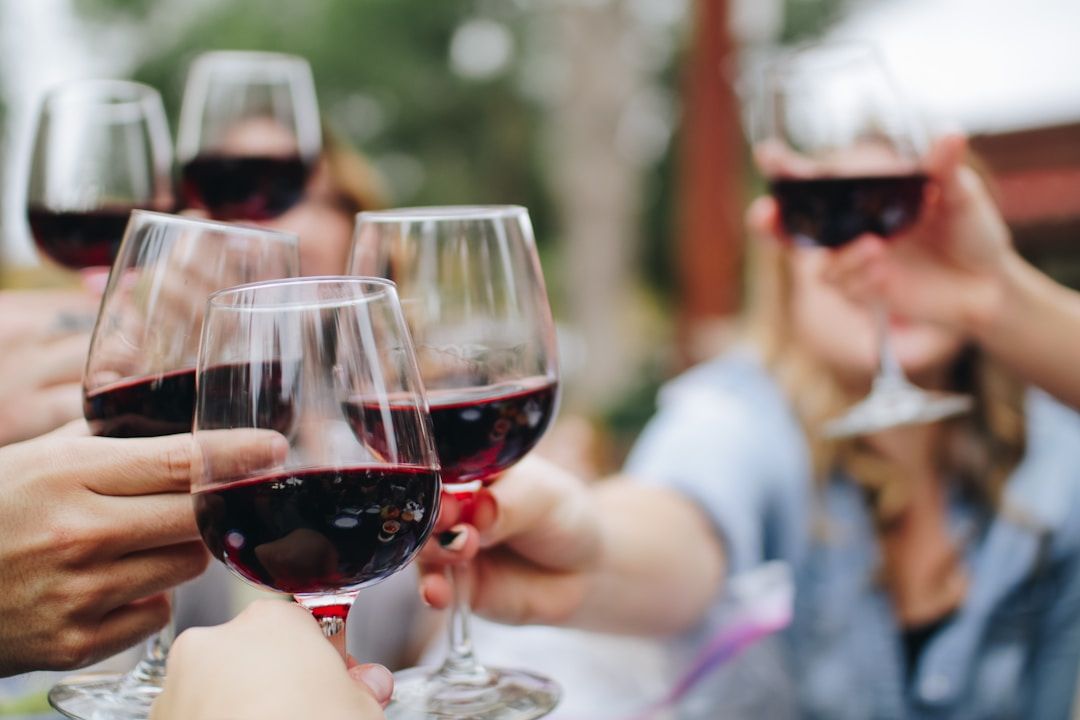
The idea came mostly from studies where people who drank small amounts of alcohol seemed healthier than people who did not drink at all.
The problem with those studies is that the groups were not always equal in the first place.
People who drink a little may differ in other aspects. They may be more physically active. They may eat differently. They may smoke less. They may have better general health, stronger social connections or a different lifestyle overall.
When studies control for cofounding factors, the supposed health benefit of low alcohol intake often becomes much less convincing.
What we are left with is a more honest picture. Health benefits from a low alcohol intake may be fairly neutral for most people, or slightly negative.
The old idea that moderate drinking is something we should actively recommend for health is hard to defend. And the higher the intake gets, the clearer the downside becomes. Alcohol is linked to an increased risk of several health problems, including liver disease, certain cancers, high blood pressure, poor sleep and accidents.
It can also affect mental health, recovery and decision-making in ways that are easy to underestimate. That does not mean every glass of wine is a disaster. But it does mean we should be honest about what alcohol is.
It is not a health supplement. It is not a recovery tool. Drinking because it is “good for the heart” no longer holds. If you drink, the best argument is probably enjoyment, taste or social value. Not health.
For people who train, the picture is probably not as dramatic as some make it out to be.
If your alcohol intake is genuinely low, it is unlikely to ruin your performance or body composition. A glass of wine now and then, or a beer with friends, will not destroy months of good training.
Training adaptations are not that fragile.
But let’s be honest: alcohol is not exactly helping your gains either.
And that changes the question.
Instead of asking:
“Is a little alcohol good for me?”
Maybe the better question is:
“What value does it have for me, and what trade-off am I accepting?”
For some people, alcohol has social value. A glass of wine with dinner. A beer with friends. A drink at a wedding or celebration. That can be part of a life they enjoy.
And from a training perspective, that does not need to become a moral issue.
But if the goal is to optimise health as much as possible, alcohol is probably one of the first things to reduce. Not because one small drink is catastrophic, but because the upside has likely been overstated.
The most honest position is probably this:
If you drink a little now and then, you probably do not need to panic.
But do not drink because you think it improves your health.
There are better tools for that.
Training. Sleep. Good food. Social connection. Daily movement. And all the boring things that actually work.